It seems like every week, someone’s touting Amazon FBA as the ultimate “set it and forget it” business model. You’ve probably heard the pitch: just send your products to Amazon, sit back, and watch the cash roll in. If only it were that simple. The reality? Amazon FBA is not truly passive income—it still demands ongoing work, from sourcing and inventory, to pricing tweaks and keeping your account healthy. Sure, you can automate and outsource some stuff, but if you walk away entirely, well, good luck keeping your business alive in 2026’s hyper-competitive marketplace.

You’ll be hunting for profitable products, double-checking fees (which, let’s be honest, seem to creep up every year), and constantly watching your competitors. Even with all the new AI tools and automations that have emerged by 2026, you can’t just put things on autopilot. Decisions still need to be made, headaches still pop up. Eventually, you might outsource a chunk of the work, but FBA never really becomes a “fire and forget” stream of cash.
If your goal is to build something that actually grows over time, you need to be honest with yourself about the effort FBA takes. Being realistic from the start saves you a ton of frustration when the inevitable curveballs come your way.
Key Takeaways
- Amazon FBA in 2026 still isn’t “fully passive”—it needs your ongoing attention
- Systems and outsourcing can lighten the load, but there’s always work to do
- Clear, realistic expectations are the only way to build something sustainable
Why Amazon FBA Is Not Truly Passive Income
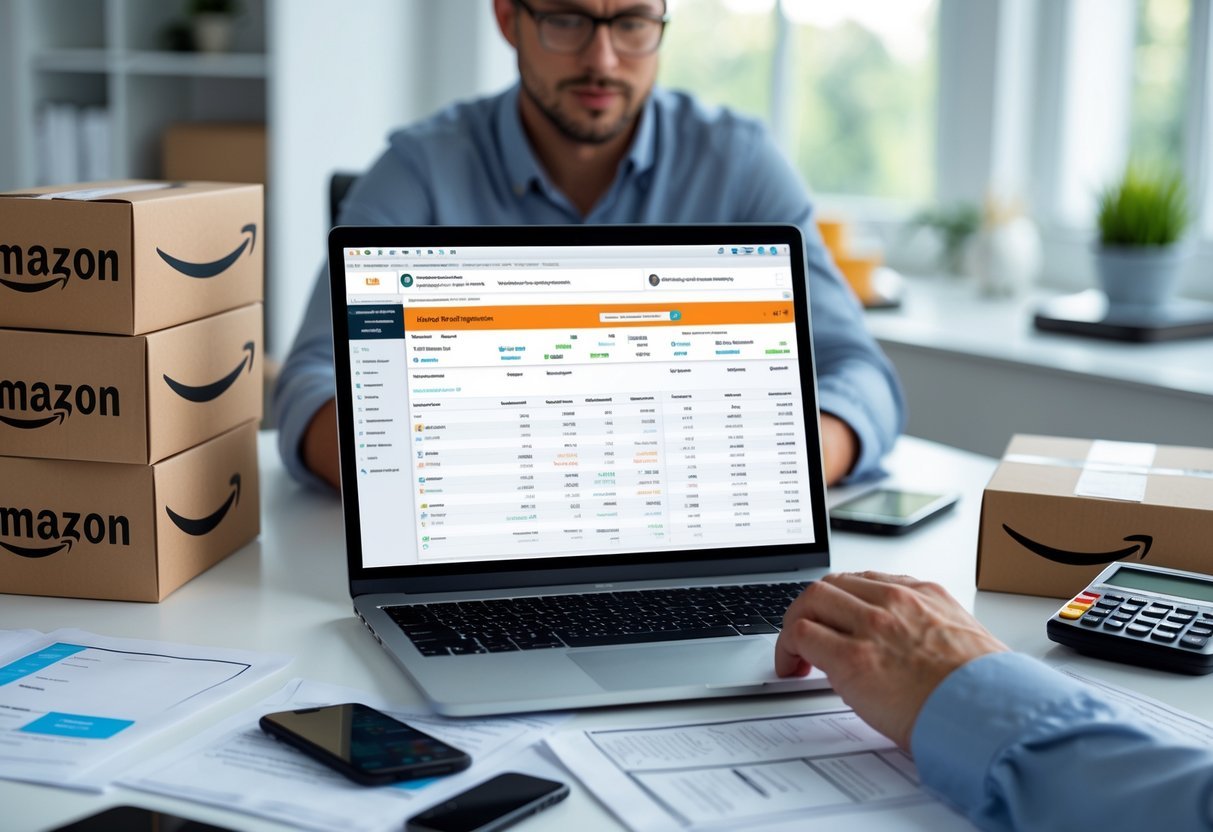
Running an Amazon FBA business gives you access to Amazon’s massive customer base and their powerful fulfillment network. But let’s not kid ourselves—it still takes a steady stream of effort, planning, and hands-on management, especially now that the competition in 2026 is fiercer than ever. If you’re hoping for a “mailbox money” situation, FBA isn’t it.
Defining Passive Income Versus Active Involvement
When people talk about passive income, they usually mean stuff like dividends, royalties, or rental income—money that keeps showing up even if you’re off hiking in the Andes. Amazon FBA? Not so much. Amazon does handle the warehousing, packing, and shipping, sure. But you’re still on the hook for product research, sourcing, pricing, and advertising.
Plus, you have to keep an eye on all the performance metrics, deal with returns, and stay up to date with Amazon’s (ever-changing) rules and policies. All this means FBA is way closer to an active business than a “sit back and relax” income stream.
The Real Work Required to Start and Maintain an Amazon FBA Business
Getting started with FBA isn’t just a couple of clicks and a prayer. There’s a whole lot of upfront research and cash needed. You’ll be hunting for products that actually make money, negotiating with suppliers (which, let’s be honest, can be a pain), and covering manufacturing and shipping costs that have only gotten higher in 2026.
Then there’s the listing setup—keyword research, product descriptions, pro-level photos. If your listings are weak, good luck ranking in Amazon’s search results. Once you start selling, you have to keep tabs on referral fees, fulfillment costs, and those sneaky storage charges. According to estorefactory.com, these fees can eat up half your revenue if you’re not careful. And honestly, that hasn’t changed much in the last couple years.
Ongoing Tasks: Inventory, Customer Service, and Marketing
Amazon handles logistics, but you’re still in charge of keeping your products in stock. Mess up your inventory management, and you’ll either run out (which tanks your rankings) or overstock (which means paying through the nose for storage). It’s a balancing act, and it never really ends.
Don’t forget customer service. Sure, Amazon takes care of the basics, but you’re still dealing with product quality complaints, negative reviews, and protecting your brand reputation. That stuff matters more than ever in 2026, with more sellers and pickier customers.
And marketing? It’s a never-ending game. Sponsored ads, promos, constant listing tweaks—if you’re not doing it, your competitors are. Tools like Helium 10 or Jungle Scout are nice, but they don’t run themselves. You’ve got to stay involved if you want results.
Comparing Amazon FBA to Other Passive Income Streams
Stack FBA up against other so-called passive income ideas, and it’s clear: FBA is a lot more work. For example:
| Income Stream | Daily Involvement | Common Work Required |
|---|---|---|
| Dividend Stocks | Very low | Checking your portfolio now and then |
| Rental Properties | Moderate | Maintenance, dealing with tenants (or paying a manager) |
| Amazon FBA Business | High | Inventory, ads, reviews, constant tweaks |
Unlike dividends or royalties, selling on Amazon is a moving target. Even if you hire a VA or agency, you still have to keep an eye on the competition, pricing, and customer feedback. As fbabrandgrifter.com puts it, the idea that FBA is a passive income stream is just a myth. It’s an active, hands-on business—one that scales with effort, not wishful thinking.
Alternative Passive Income Opportunities with Amazon (2026 Edition)
Amazon’s ecosystem isn’t just about FBA. There are ways to tap into their platform that require way less daily stress. Some options let you create something once and (hopefully) keep earning, while others use Amazon’s reach to snag commissions or build your own audience. In 2026, these alternatives are only getting more popular.
Ebooks and Kindle Direct Publishing
Kindle Direct Publishing (KDP) lets you self-publish ebooks and paperbacks without worrying about printing costs. Upload your manuscript, pick a price, and Amazon distributes it to millions of readers. Easy, right? Well, sort of.
Royalties are straightforward—usually 35% or 70% per sale depending on your price and delivery fees. No inventory to manage, no shipping headaches. But visibility is the real challenge. You’ll need to do your homework on keywords, invest in a decent cover, and write a description that actually sells. Most successful authors also build mailing lists or run ads (which, by the way, is getting more competitive every year).
Still, if you can create quality content in evergreen niches, ebooks can bring in income for years with minimal effort. Platforms like Kindle Direct Publishing make it easier than ever for beginners, even in 2026.
Print On Demand and Affiliate Marketing
Print on Demand (POD) lets you sell your designs on shirts, mugs, notebooks—whatever—without keeping any stock. Services like Merch by Amazon only print and ship when someone actually buys. Your job? Come up with designs and upload them. Amazon does the rest.
Earnings depend on your royalties per item sold. A clever or evergreen design can keep selling for years, and you don’t have to worry about logistics. You do need to keep tabs on what’s trending, though, and update your designs every so often.
Affiliate marketing is another solid option. With the Amazon Associates program, you earn a cut when people buy through your links. If you’ve got a blog, YouTube channel, or even a halfway decent TikTok following, this can add up over time.
Both POD and affiliate marketing scale with your ability to create content or designs that people actually want. No magic, but a bit less grind than FBA.
Content Creation and Other Ecommerce Models
Content creation tied to Amazon products is still a strong play in 2026. Product reviews, tutorials, comparison guides—these work on YouTube, TikTok, or your own site. Drop in some affiliate links, and you’ll earn when viewers buy. It’s not instant, but once your content ranks or your channel gets traction, it can keep driving sales with little extra work.
There are other ecommerce models, too. Digital downloads, online courses, even SaaS products—Amazon can be a traffic source, or just one piece of your income puzzle. Some folks run blogs that promote ebooks, POD products, and affiliate links all at once. Diversifying like this is smart, especially with how fast things change.
By mixing up your content and product offers, you’re not putting all your eggs in one basket. That’s just good sense, especially heading into 2026 and beyond.
Frequently Asked Questions (2026)

Running an Amazon FBA business is never just “set it and forget it.” You have to keep operations humming, stay on top of Amazon’s latest policy changes (and there are always new ones), and handle all the tasks that keep your business afloat.
What ongoing responsibilities do sellers have with Amazon FBA?
You’ll need to watch your sales, track expenses, and tweak pricing. Even though Amazon ships your products, you’re still on the hook for customer service issues, returns, and complaints. Regularly checking your product rankings and ad campaigns is a must if you want to stay competitive in 2026.
How do inventory management and restocking affect the passivity of Amazon FBA income?
You’ve got to forecast demand and reorder before you run out—otherwise, you lose sales or get hit with extra storage fees. Staying on top of restocking keeps your listings live and your cash flow healthy. It’s not glamorous, but it matters.
What are the common misconceptions about the passivity of Amazon FBA earnings?
Lots of folks think FBA is “set and forget,” but that’s just not true. Amazon handles fulfillment, but you’re still managing sourcing, marketing, and finances. Automation helps, but it doesn’t eliminate the need for ongoing effort if you want to stay profitable—especially now.
In what ways does Amazon FBA require active involvement for success?
There’s no escaping it: you’ll be researching products, talking to suppliers, managing ads, and updating your listings with better images, keywords, and descriptions. If you slack off, your products lose visibility and sales. Simple as that.
Why might Amazon FBA be considered less passive compared to other income streams?
Unlike dividend stocks or a rental managed by someone else, FBA needs you to make frequent decisions and adapt to changes. You’re dealing with supply chain headaches, market shifts, and rising costs. That kind of activity just isn’t “passive” by any reasonable definition—even as we roll into 2026.
How do changes in Amazon’s policies impact the workload for FBA sellers?
Amazon seems to tweak its rules on fees, product compliance, and listing requirements almost every year—2026 is no exception. Sometimes, it feels like as soon as you’ve got a system down, there’s a new hoop to jump through. These updates can pile on extra tasks, like reworking your packaging or scrambling to adjust your pricing strategy (again). Honestly, keeping up with it all means you’re constantly checking for the latest changes on Amazon Seller Central. It’s a lot, but if you want to stay compliant, you’ve got to stay on your toes.