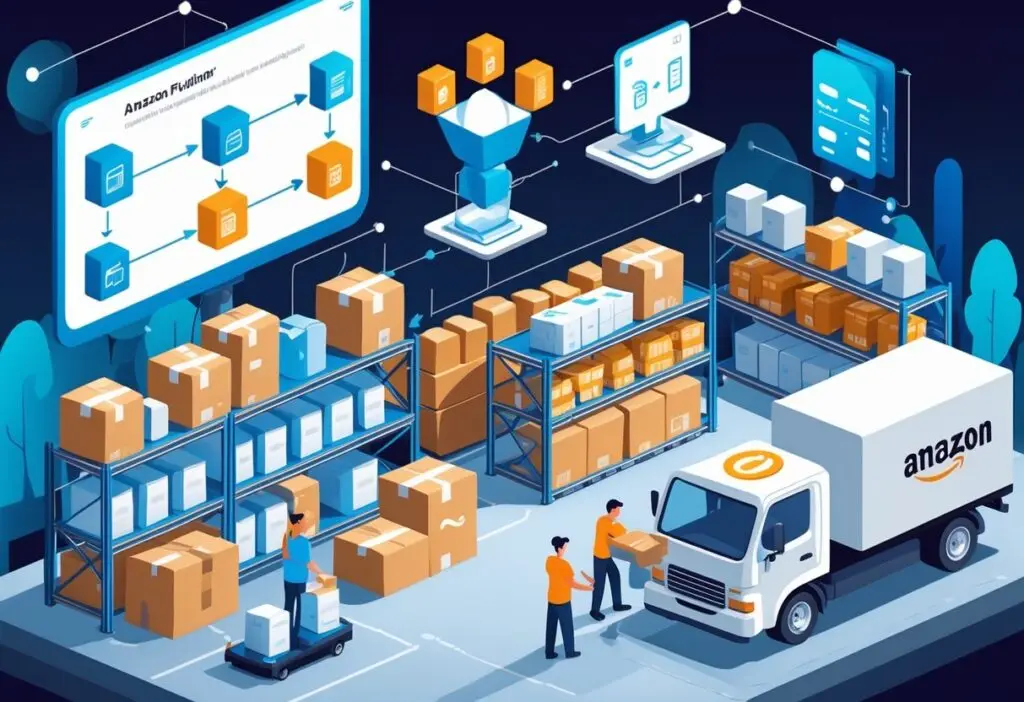






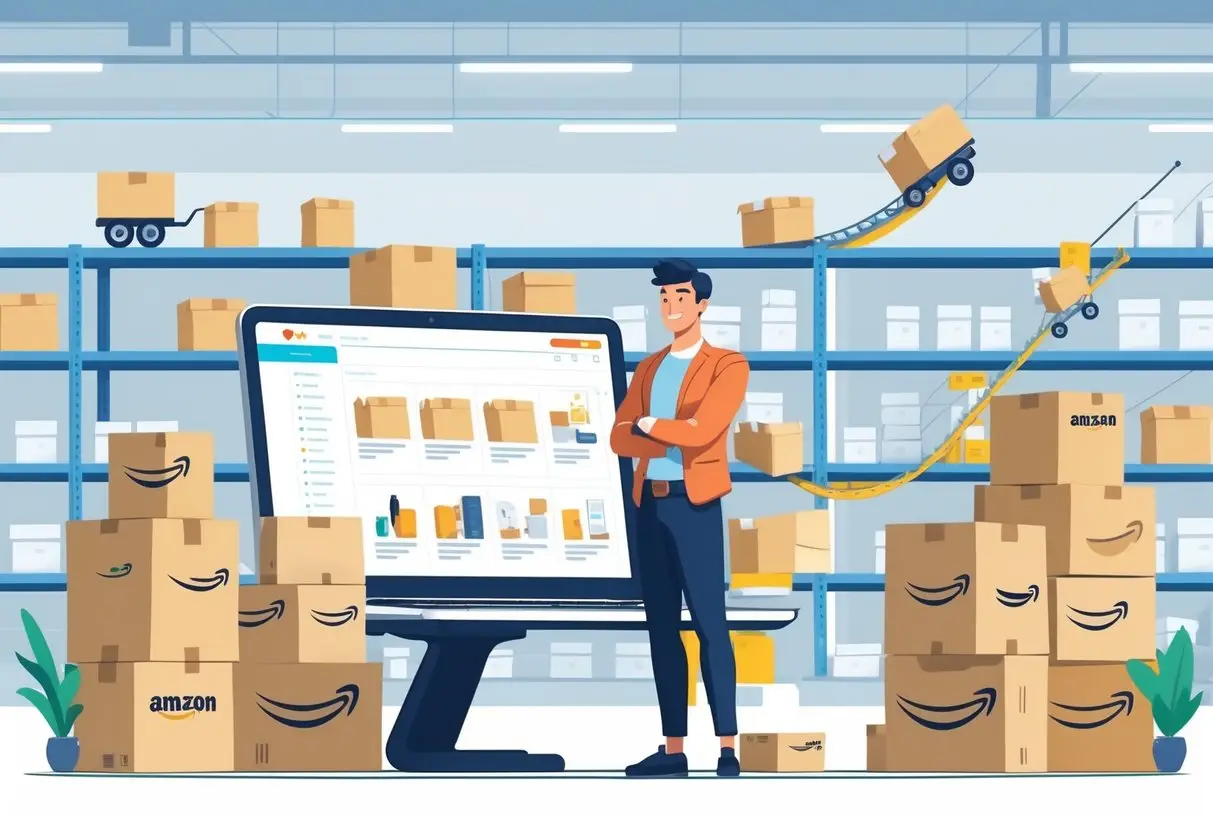
When Amazon rolled out Fulfillment by Amazon (FBA) back in 2006, it quietly flipped the script on how online selling works. Instead of juggling storage, packing, and shipping all by yourself, suddenly you could lean on Amazon’s gigantic logistics machine. FBA didn’t just tweak the rules—it made fast, reliable delivery the baseline, not just a nice bonus.

No more stressing over every order. With FBA, your products suddenly had that Prime badge, and that meant you were in front of customers who basically demand speed and convenience. It didn’t just nudge expectations higher—it pretty much redrew the lines for what it takes to survive in online retail.
But, let’s be real, it’s not all upside. Sure, FBA opened up doors for growth, but it also brought a whole new set of costs and headaches that still shape how you run your shop. Figuring out how this mix of opportunity and pressure plays out is crucial if you want to understand why FBA is still such a force in eCommerce.
Key Takeaways
- FBA made speed and convenience the new normal for online shopping
- The program brought both big growth potential and rising costs for sellers
- Its influence is still steering the way eCommerce works today
How Amazon FBA Transformed eCommerce
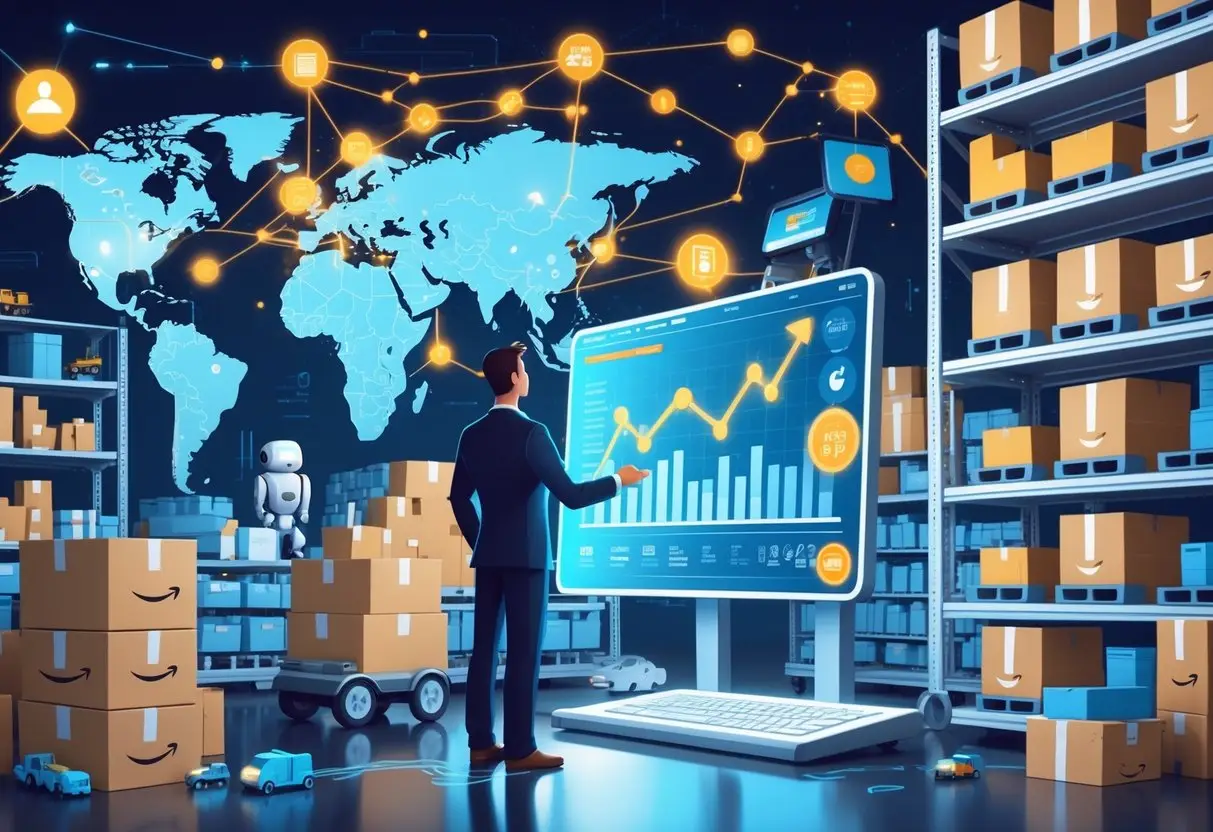
Amazon FBA totally changed how stuff moves from sellers to buyers by putting storage, packing, and shipping all under one roof. It gave small businesses a way into Amazon’s logistics powerhouse, which, honestly, changed how you deal with inventory, reach customers, and handle competition in e-commerce.
The Birth and Evolution of Fulfillment by Amazon
Amazon kicked off Fulfillment by Amazon (FBA) in 2006, letting third-party sellers hand off storage, packing, and shipping. You’d send your products to Amazon’s warehouses, and they’d take it from there. It didn’t take long for this to become a backbone of the whole e-commerce scene.
FBA didn’t just stop at shipping, though. It grew into this whole ecosystem with returns management, customer service, and Prime eligibility baked in. That little Prime badge? Buyers trust it for fast shipping and solid service, almost by default.
These days, FBA supports sellers in over 100 countries and keeps growing as Amazon pours money into logistics. According to some reports, the evolution of Amazon FBA shows how it went from a cool convenience to the backbone of a global retail machine.
Revolutionizing Order Fulfillment and Logistics
Before FBA, you were stuck managing your own shipping or trying your luck with smaller logistics companies. That usually meant slower deliveries and, honestly, higher costs. FBA changed the game by plugging you right into Amazon’s advanced fulfillment network.
Suddenly, order fulfillment was standardized. Products in Amazon’s warehouses could hit Prime members’ doorsteps in just a day or two. That kind of speed quickly became a must-have, not a nice-to-have, and pretty much set the bar for everyone else.
Inventory management got way easier too. No need to rent your own warehouse—just track and restock through Amazon’s dashboard. As this FBA logistics breakdown points out, the whole model shook up how online sellers handle storage, delivery, and returns.
Impact on Entrepreneurs and Small Businesses
FBA knocked down a lot of barriers for getting started online. If you’re an entrepreneur, suddenly you didn’t need a warehouse, staff, or a pile of shipping contracts just to keep up with the big players. Small businesses could scale up faster and reach more people than ever.
It also freed you up to focus on product development and marketing, while Amazon did the heavy lifting. Plenty of sellers used that edge to build solid brands and go global. In fact, a recent report says 82% of sellers now go with FBA, which says a lot about its impact on digital entrepreneurship.
Of course, leaning on Amazon’s system isn’t all smooth sailing. There are fees, storage limits, and more competition than ever, so you’ve got to stay sharp to balance growth and profit. Still, for a lot of small businesses, FBA is the backbone that makes it all possible in such a crowded market.
Challenges, Opportunities, and Lasting Impact
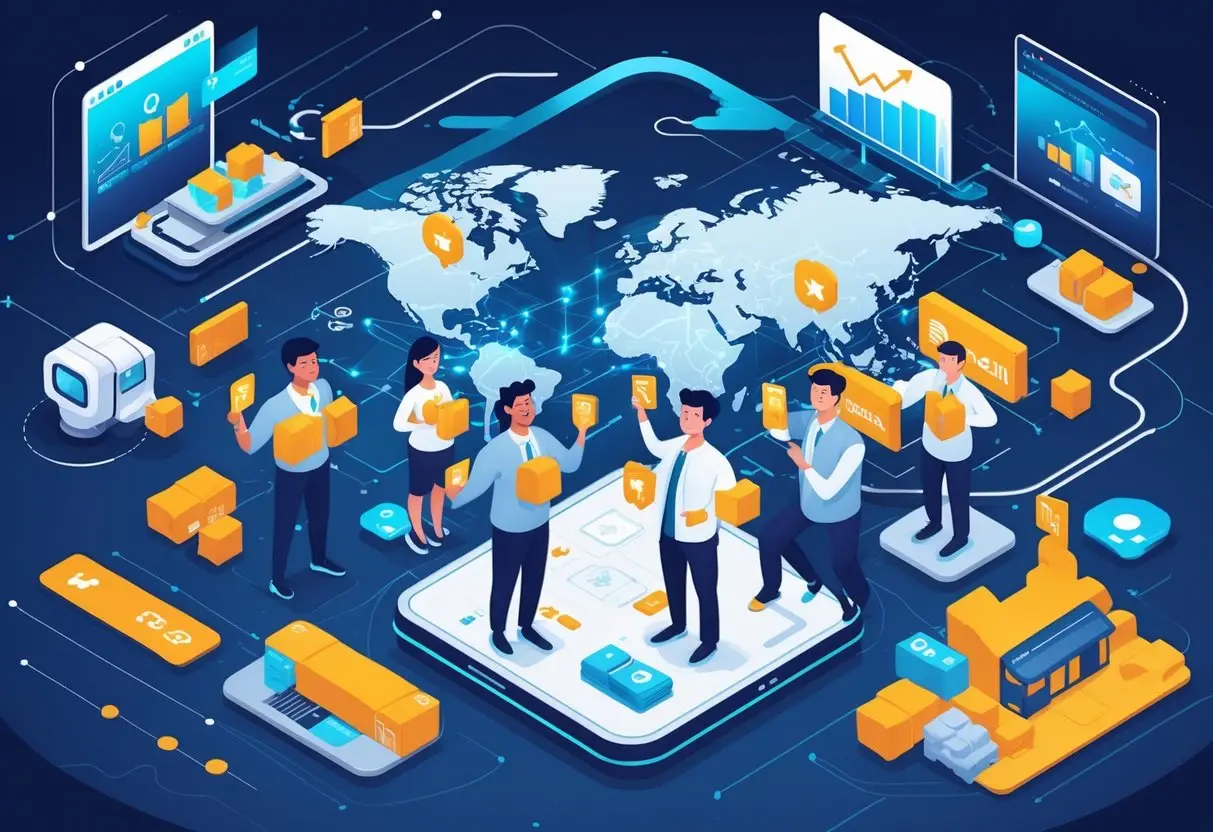
FBA totally changed how you handle inventory, shipping, and meeting what customers want. It brought cost-saving opportunities, sure, but also new headaches with fees, competition, and logistics that still ripple through the e-commerce world.
New Standards for Shipping and Customer Expectations
Thanks to FBA, fast shipping isn’t just appreciated—it’s expected. Customers now want two-day or even same-day shipping with Prime. If you’re selling outside Amazon and can’t keep up, well, buyers might just click away to someone who can.
There are also pretty strict packaging and prep rules. If your stuff doesn’t meet Amazon’s standards, you could get hit with delays, extra fees, or even have your listings yanked. These requirements have pushed everyone to up their game when it comes to shipping.
FBA also changed how carriers like UPS and FedEx fit into your business. Instead of hunting for your own shipping deals, you’re mostly using Amazon’s network. That can save money, but it also means you give up some control over how your logistics work. Sometimes that’s a good thing, sometimes not so much.
The Rise of Private Label Brands and Marketplace Competition
FBA made it easier for third-party sellers to jump in, which cranked up the competition. Now you’re not just battling on product quality—there’s pricing, shipping speed, and who wins the Buy Box. Margins get squeezed, especially with FBA fees and shipping costs creeping up.
Private label products have taken off since sellers can own their branding and dodge the mess of fighting over the same listings. If you launch your own brand, you’re not stuck sharing a product page with a dozen other resellers. That usually means better margins and more loyal customers.
Still, competition is fierce. Amazon launches its own private label stuff, and other sellers can copy your products pretty quickly. To really win, you’ve got to juggle inventory management, ads, and pricing—plus keep an eye on those long-term storage fees.
The Future of Fulfillment and eCommerce Logistics
FBA didn’t just change Amazon—it pushed the whole industry toward fulfillment services. Now, tons of retailers expect outsourced logistics for warehousing, returns, and last-mile delivery. That’s opened the door for networks like MyFBAPrep and others trying to do what Amazon does, just on a smaller scale.
Looking forward, expect even more automation in warehouses and tighter inventory controls. Amazon’s already limiting how much you can restock based on how fast your stuff sells, so you’ve got to plan inventory carefully. Too much stock, and you’re hit with long-term storage fees; too little, and you’ll miss out on sales.
The bigger e-commerce industry isn’t turning back. Whether you’re on Amazon or elsewhere, people are hooked on fast shipping and reliable delivery. To keep up, you’ll need to invest in logistics that are flexible enough to balance cost with speed—no easy feat, but that’s the new normal.
Frequently Asked Questions
Fulfillment by Amazon (FBA) has changed how you run an online business—costs, logistics, customer expectations, all of it. It’s also shaped how companies go global and how new sellers try to carve out their spot in the marketplace.
What impact has Fulfillment by Amazon (FBA) had on small and medium-sized online retailers?
FBA plugs you into Amazon’s fulfillment network, which usually means lower shipping costs and no need to rent your own warehouse. A lot of small and mid-sized retailers use it to scale up faster, since Amazon takes care of packing, shipping, customer service, and returns.
When you can offload those tasks, you get to spend more time on product development and marketing instead of sweating the logistics. That makes it a lot easier to go toe-to-toe with the big guys.
How has FBA influenced the logistics and shipping standards in the eCommerce industry?
FBA raised the bar for fast, reliable delivery. Thanks to Amazon Prime, customers now expect two-day—or even same-day—shipping as standard, not a special treat.
Other eCommerce businesses have had to step up, either by improving their own logistics or teaming up with fulfillment providers just to keep up. It’s pushed everyone to perform at a higher level.
What are the long-term effects of FBA on traditional brick-and-mortar retail businesses?
With more shoppers heading online for speed and convenience, physical stores are seeing less foot traffic. FBA just fuels that trend by making online shopping even smoother and more dependable.
Some brick-and-mortar retailers are adapting by blending online and in-person sales, trying to cover all the bases and stay relevant.
How has customer expectation in online shopping been shaped by FBA’s service model?
Fast shipping, easy returns, consistent service—it’s all become the baseline, thanks to FBA. Amazon’s fulfillment network makes sure stuff arrives quickly and reliably, and now that’s just what shoppers expect everywhere.
If you can’t match that, you risk losing out to someone who can. The pressure’s on for everyone.
What role does FBA play in the global expansion of eCommerce businesses?
With FBA, you can tap into Amazon’s global logistics to reach customers in other countries. Stuff like Remote Fulfillment and Amazon Export lets you sell abroad without needing your own warehouses overseas.
That infrastructure makes it way easier—and cheaper—to break into new markets, which is a game-changer for a lot of businesses.
How has FBA affected the competitive landscape for new entrants in the eCommerce market?
FBA really does make it a lot easier to get started—you’re basically handed Amazon’s fulfillment system and customer service right away. There’s no need to set up your own logistics from scratch, which is honestly a relief for most new sellers.
But here’s the thing: because so many people now have access to those same resources and tools, the competition has gotten a lot fiercer. It’s not just about showing up anymore. If you want to stand out, you’ve got to be smart about which products you pick, how you set your prices, and keeping tabs on your inventory. It’s a bit of a juggling act, honestly.