







Amazon FBA might sound a bit intimidating at first, but honestly, it’s a pretty straightforward way to start selling online—without the usual shipping headaches. Amazon FBA (Fulfillment by Amazon) is a service where you send your products to Amazon’s warehouses, and they handle all the storage, packing, shipping, and even customer service for you. Basically, you get to hunt for awesome products to sell, and Amazon does the heavy lifting behind the scenes.

The numbers really say it all. 86% of Amazon’s third-party sellers use FBA—and for good reason. You get access to almost 200 million Prime members worldwide. Your products show up with that Prime badge, which means they ship faster and get a boost in Amazon’s search results.
You don’t need a huge bankroll to jump in, either. Plenty of successful sellers started out with less than $1,000—some even under $500. And honestly, FBA can slash your shipping costs by up to 70% compared to doing it all yourself, not to mention saving you a ton of time every week.
Key Takeaways
- Amazon FBA lets you send products to Amazon’s warehouses so they handle storage, shipping, and customer service for you
- Your products automatically get Prime shipping benefits, giving you access to millions of Prime customers
- You can start an FBA business with as little as $500 and potentially reduce shipping costs by 70%
Understanding Amazon FBA and How It Works
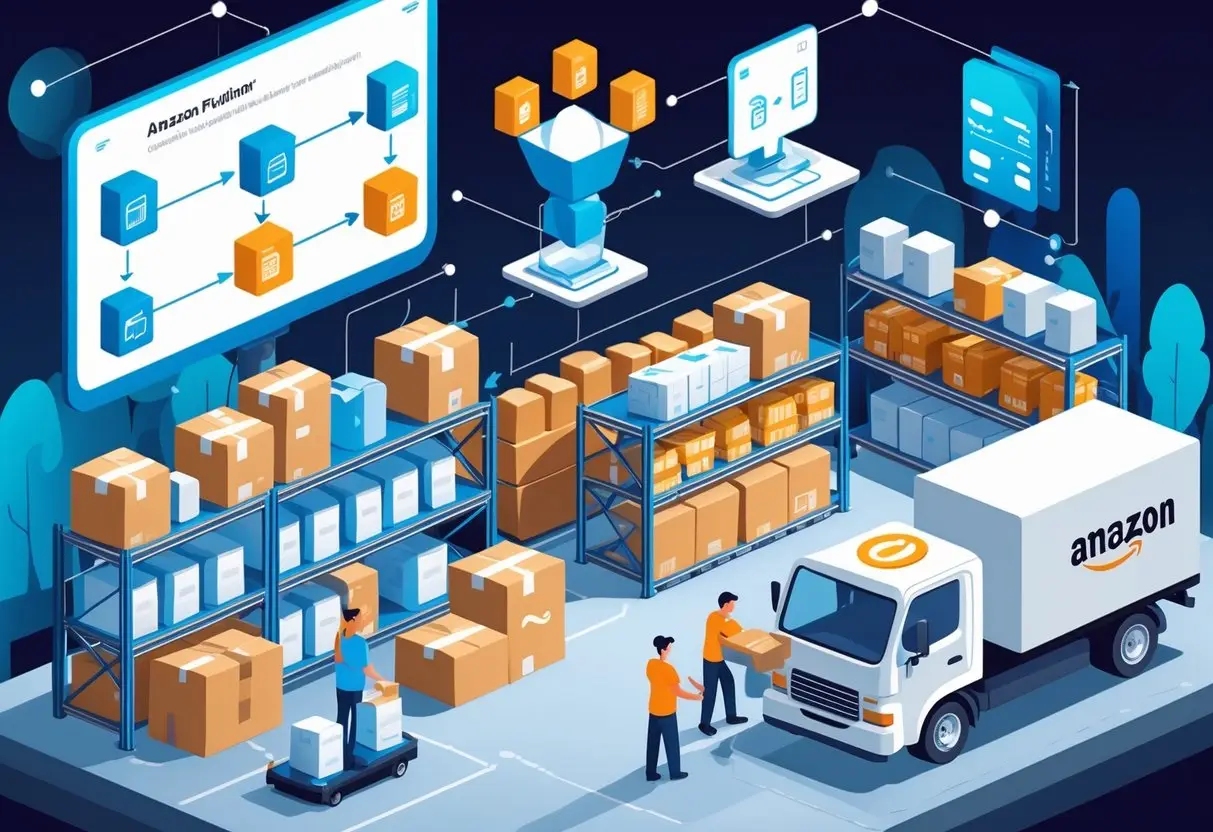
Amazon FBA is a logistics service that takes care of storage, packing, and shipping for sellers. The program gives your products access to Amazon Prime members, and Amazon manages customer service and returns on your behalf.
What Is Fulfillment by Amazon (FBA)?
Fulfillment by Amazon (FBA) is basically a one-stop logistics shop where Amazon stores your inventory in their fulfillment centers. You send in your products, and Amazon handles all the order fulfillment tasks for your ecommerce business.
Amazon FBA lets you outsource packing, shipping, customer service, and returns to Amazon’s team. So, you don’t need your own warehouse or a shipping department—one less thing to worry about.
The service runs through Amazon’s network of over 175 fulfillment centers worldwide. That’s more than 150 million square feet of storage space, which is kind of mind-boggling.
Key FBA Features:
- Product storage in Amazon warehouses
- Automated order processing
- Prime shipping eligibility
- 24/7 customer service support
- Return handling and processing
Your products get the Amazon Prime badge when you use FBA. That means almost 200 million Prime members—people who love fast, free shipping—can find your stuff more easily.
How the Amazon FBA Process Operates
The FBA process kicks off with creating a shipment plan in Seller Central. You’ll need to prep your inventory to match Amazon’s labeling and packaging rules (which, fair warning, can be a little picky).
You ship your products out to the fulfillment centers Amazon tells you to use. They’ll receive, check over, and store your inventory until someone places an order.
When a customer buys your product, Amazon’s automated system finds the item. Then the warehouse team picks, packs, and ships it right to your customer’s door.
The Complete FBA Workflow:
- Inventory Preparation – Label and package products per Amazon guidelines
- Shipment Creation – Use Send to Amazon workflow in Seller Central
- Product Storage – Amazon receives and stores your inventory
- Order Processing – Automated systems handle incoming orders
- Fulfillment – Pick, pack, and ship to customers
- Customer Service – Amazon handles questions and issues
Amazon also takes care of returns and refunds. They’ll check over returned items and decide if they can go back on sale or if they need to be disposed of (sometimes frustrating, but at least you don’t have to deal with it directly).
There’s also Multi-Channel Fulfillment (MCF), which means you can use Amazon’s logistics to ship orders from other sales channels—not just Amazon. Handy if you’re selling on your own website or elsewhere.
Key Benefits of Using Amazon FBA
Sellers using FBA see a 35% increase in sales compared to shipping orders themselves. That Prime badge really does wonders for your product visibility and conversion rates.
Cost Savings: FBA shipping costs can be up to 70% lower per unit than most other options. You get to piggyback on Amazon’s bulk shipping deals with major carriers.
Time Management: About half of FBA sellers spend less than 10 hours a week on their business. That leaves you with way more time for product research, development, or, honestly, just enjoying your life.
Global Reach: With Remote Fulfillment, you can sell in places like Canada, Mexico, and Brazil using your US inventory. Amazon Export lets you reach even more international buyers—no need to set up separate operations in each country.
Customer Trust: People trust Amazon’s shipping and customer service. Prime members especially are always on the lookout for FBA products because they know they’ll get their stuff fast.
Scalability: Amazon’s infrastructure can handle crazy order spikes during peak seasons. You don’t have to scramble to hire temp workers or rent extra warehouse space. It just works (well, most of the time).
Potential Challenges and Limitations
FBA isn’t perfect—there are a bunch of fees, and they can eat into your profits if you’re not careful. You’ve got fulfillment fees, storage fees, and extra charges for things like inventory placement.
Storage Costs: Monthly storage fees range from $0.56 to $1.40 per cubic foot, depending on the time of year. If your products sit around for more than 271 days, you’ll get hit with aged inventory surcharges.
Product Restrictions: Not everything can go through FBA. Alcohol, tires, and a bunch of hazardous materials are a no-go (makes sense, but still a bummer if that’s your niche).
Inventory Control: Once your products land at Amazon’s fulfillment centers, you lose direct control. If you want them back, you’ll need to file removal orders (and pay for it, of course).
Competition: Since FBA is so popular, you’re up against a ton of other sellers. Your products will be listed right alongside similar items from thousands of other FBA merchants.
Stranded Inventory: Sometimes technical glitches make your stuff unavailable for sale, but you still get charged storage fees. This “stranded inventory” can be annoying and needs quick attention if it happens.
Long-term Storage: If your products don’t move, storage gets expensive fast. You’ll need to stay on top of inventory planning to avoid racking up costs for slow sellers.
Getting Started with Selling on Amazon FBA
Getting up and running with Amazon FBA comes down to four main steps: set up your seller account, find good suppliers for products that’ll actually sell, build product listings that stand out, and really get to grips with the cost structure. Each step sort of stacks on the last, so you end up with a solid foundation for your online business.
Setting Up an Amazon Seller Account
You’ll need an Amazon seller account before you can do anything else with FBA. Head over to Seller Central to start the registration. You have two options: Individual (99 cents per item sold) or Professional ($39.99 per month).
If you plan to sell more than 40 items a month, the Professional plan is a better deal. Plus, it unlocks more tools and advertising options.
Required Documents:
- Valid government-issued ID or passport
- Recent bank account statements
- A chargeable credit card
- Mobile phone number for verification
Amazon will verify your identity with a video call after you send in your info. Usually takes 1–3 business days. Once you’re approved, set up two-step verification to keep your account secure.
You’ll also have to provide tax details and bank info so Amazon can pay you. Payments go out every 14 days, after they deduct referral fees and FBA costs.
Sourcing Products and Finding Suppliers
Picking the right products and suppliers is pretty much make-or-break for your FBA business. Start by digging into what’s selling—tools like Google Trends can help spot demand.
Popular Sourcing Methods:
- Alibaba: Connect with manufacturers for private label products
- Retail arbitrage: Buy discounted products from stores to resell
- Wholesale: Purchase products in bulk from distributors
- Online arbitrage: Source products from online retailers
Stick with products that are small, light, and not easily breakable—way cheaper for storage and shipping. Avoid stuff that’s super seasonal, electronics that update every year, or anything with an expiration date when you’re just starting out.
Check out your competition by analyzing similar listings on Amazon. Look for items with high demand but not a ton of reviews—there’s usually an opening there. Always reach out to several suppliers to compare prices, order minimums, and quality.
Try to build a good relationship with suppliers who deliver consistent quality and don’t take forever to ship. Always ask for samples before making a big order—trust me, it’s worth it.
Creating and Optimizing Product Listings
Your product listing is make-or-break for visibility and sales on Amazon. Great listings mix persuasive writing with sharp images and smart keyword use.
Essential Listing Elements:
- Title: Include main keywords, brand, size, color, and key features
- Images: Use high-res photos with white backgrounds
- Bullet points: Highlight your top 5 benefits and features
- Description: Give detailed product info
- Keywords: Research and include relevant search terms
Write titles that are clear but not awkward—work your main keywords in naturally. Fill every image slot with good photos: show different angles, packaging, and the product in use if you can.
In your bullet points, focus on how your product actually helps people, not just what it is. Mention dimensions, materials, or care details if that’s relevant.
Use the backend keyword fields for search terms that don’t fit smoothly in your main copy. Keep an eye on your listing’s performance and tweak things based on customer questions and feedback.
Cost Structure, Fees, and Profit Calculation
Amazon’s fee structure can get complicated, so being on top of it is key if you want to make a profit with FBA. There are a bunch of fees to consider, so run the numbers before you list anything.
Main FBA Fees:
- Referral fees: Usually 15% of selling price
- Fulfillment fees: Based on product size and weight
- Storage fees: Monthly charges for inventory space
- Long-term storage: Extra fees for items stored over 365 days
Use Amazon’s FBA Revenue Calculator to get a sense of your profits before you commit to a product. Just plug in your cost, selling price, and product size to see the projected fees and margins.
Cost Calculation Example:
- Selling price: $25.00
- Product cost: $8.00
- Referral fee (15%): $3.75
- Fulfillment fee: $3.50
- Storage fee: $0.50
- Net profit: $9.25
Don’t forget to factor in packaging, shipping your inventory to Amazon, and any digital marketing spend. Plan for refunds and returns too—they’re usually 5–10% of sales. Keep good records of every expense for taxes and to see how your business is really doing.
Check your costs regularly since Amazon likes to update their fees. If something changes, adjust your pricing so your margins don’t disappear overnight.
Frequently Asked Questions
If you’re new to selling on Amazon, you’ve probably got a bunch of questions—about costs, how everything works, and whether you can actually make money doing this. Figuring out the right fulfillment method and using the right tools can really help you make smarter choices for your business, though it can feel a bit overwhelming at first.
How does Amazon FBA work for new sellers?
With Amazon FBA, you send your products off to Amazon’s warehouses. Once a customer places an order, Amazon takes care of picking, packing, and shipping your stuff. Pretty hands-off, honestly.
First, you’ll make a seller account and pick what you want to sell. Then you get your inventory ready—Amazon has some rules here, so you’ll want to follow their guidelines—and ship it off to their fulfillment centers.
Amazon stores your products until somebody buys them. Their team also handles customer service and returns, so you don’t have to worry about any of that.
Your listings get the Prime badge automatically, which is a big deal. That means your products show up for nearly 200 million Prime members—lots of shoppers who specifically look for Prime shipping.
What are the initial steps to starting an Amazon FBA business?
To get started, you’ll need to create an Amazon seller account at sellercentral.amazon.com. You can pick between the Individual plan ($0.99 per item sold) or the Professional plan ($39.99 a month). Choose whatever fits your budget and goals.
Amazon will ask for a government-issued ID, recent bank statements, a credit card, and your phone for verification. They’ll do a video call to check your info—kind of nerve-wracking, but it’s usually pretty quick.
Next up, you’ll want to research and pick your first product. Most people start with something small, lightweight, and easy to store. It’s usually smart to skip anything with an expiration date or tricky storage requirements, at least for your first try.
After that, set up your product listings with decent photos and descriptions. Then just prep your inventory according to Amazon’s packaging and labeling rules and ship it off to their fulfillment centers. Not rocket science, but pay attention to the details.
Is Amazon FBA a profitable option for beginners?
Most sellers actually start with $5,000 or less. About a quarter of them get going with under $1,000, and some manage with just a few hundred bucks.
FBA can cut your shipping costs by as much as 70% per unit compared to shipping stuff yourself. Sellers using FBA usually see a 35% bump in sales, which sounds pretty good, right?
Roughly half of FBA sellers spend less than 10 hours a week on their business. That means you get to focus more on growing your product line instead of being stuck packing boxes every night.
But don’t forget about Amazon’s fees. There are referral fees (typically 15% of the sale price), fulfillment charges, and storage fees that change by season. You’ll definitely want to factor those in before you get too excited.
What are the key differences between Amazon FBA and FBM?
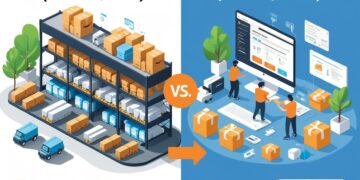
With FBA, Amazon does all the heavy lifting—storage, packing, shipping, customer service, the works. FBM (Fulfilled by Merchant) means you’re on the hook for all that yourself.
FBA products get the Prime badge and tend to show up higher in search results. FBM stuff doesn’t get Prime unless you jump through some extra hoops, which can be a hassle.
FBA comes with storage and fulfillment fees, but you don’t have to deal with shipping headaches. FBM gives you more control over shipping costs, but it’s a lot more work and eats up your time.
Customers usually trust FBA more, since Amazon’s handling the returns and shipping. With FBM, you’ll need to build that trust on your own, which isn’t always easy when you’re just starting out.
How important is it for a beginner to use an Amazon FBA calculator?
An FBA calculator is honestly a must. It breaks down every fee Amazon will charge, including storage, so you actually know what you’re getting into.
You can figure out if you’ll make a profit before you even buy inventory. Saves you from picking products that’ll just end up costing you money once all the fees are tallied up.
The calculator makes it easier to set competitive prices and keep your margins healthy. Plus, you can compare FBA costs to fulfilling orders yourself to see what makes more sense for each product.
Amazon’s got a free FBA calculator in Seller Central. Just plug in your product details and price, and it’ll spit out all the costs and your potential profits. Definitely worth a few minutes of your time.
What resources are recommended for beginners to learn about Amazon FBA?
If you’re just starting out, Amazon’s Seller University is honestly a solid place to begin. They’ve got a bunch of free videos and guides that walk you through things like listing products, figuring out pricing, handling fulfillment, and even dabbling in advertising. It’s pretty approachable, even if you’re totally new.
Another one worth checking out is the Amazon FBA New Selection program. It’s especially geared for beginners and lays out the process step by step—from researching products to actually getting your stuff in front of customers. It’s a bit of hand-holding, but sometimes that’s what you need, right?
Don’t forget your Seller Central dashboard. There are tutorials, webinars, and a whole pile of help docs right there. They go over Amazon’s rules, common pitfalls, and some best practices (though, honestly, some of it can feel a little overwhelming at first).
For folks going pro, Amazon throws in some perks—like $100 off on shipments, $200 in fulfillment credits, and $400 to help with placement costs. It’s not nothing, and it does take a bit of the sting out of those early expenses.